Developer Documentation

Engineering context, available to everyone

When architecture decisions and constraints live in people's heads, every question goes to an expert. Gramax turns engineering context into a working base: new members figure things out on their own, and leads repeat fewer briefings

Why teams choose Gramax

When engineering context moves out of heads and chats into a managed base, the team gets up to speed faster and depends less on personal explanations

Onboarding gets several times shorter

A newcomer gets a route through architecture, environments, services, and tasks. The first useful contribution comes sooner

Fewer repeat questions to leads

Frequent answers about services, integrations, and rules are captured in sources. Seniors stop being a live reference

Old mistakes no longer repeat

The base shows which options were already considered and which trade-offs were accepted. The team doesn't return to what was rejected

Incidents are resolved faster

Runbooks, diagrams, and dependencies are in one loop. A developer quickly understands what to check and whom to involve

One source, two working worlds

Developers stay in their environment, while analysts, managers, and clients work through the web. One source, different interfaces

Developers stay in their own tools

Documentation in Markdown and Git lives next to the code. Local agents work with the same sources, without switching

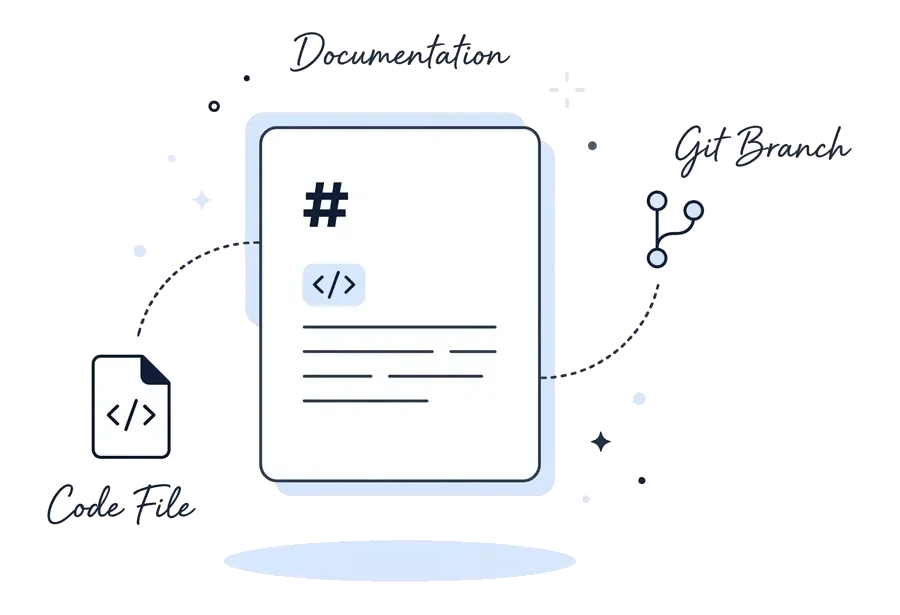
Docs change as the code evolves

When a service changes, its description changes in the same branch. Documentation doesn't live in a separate tool

Other roles see the same source

Non-technical roles read the same content on the web. They ask in plain language, and AI search gives a summary with links

No lock-in and no closed formats

Everything is stored as plain .md files in your own Git. No proprietary format and no dependency on the platform vendor

The engineering knowledge loop

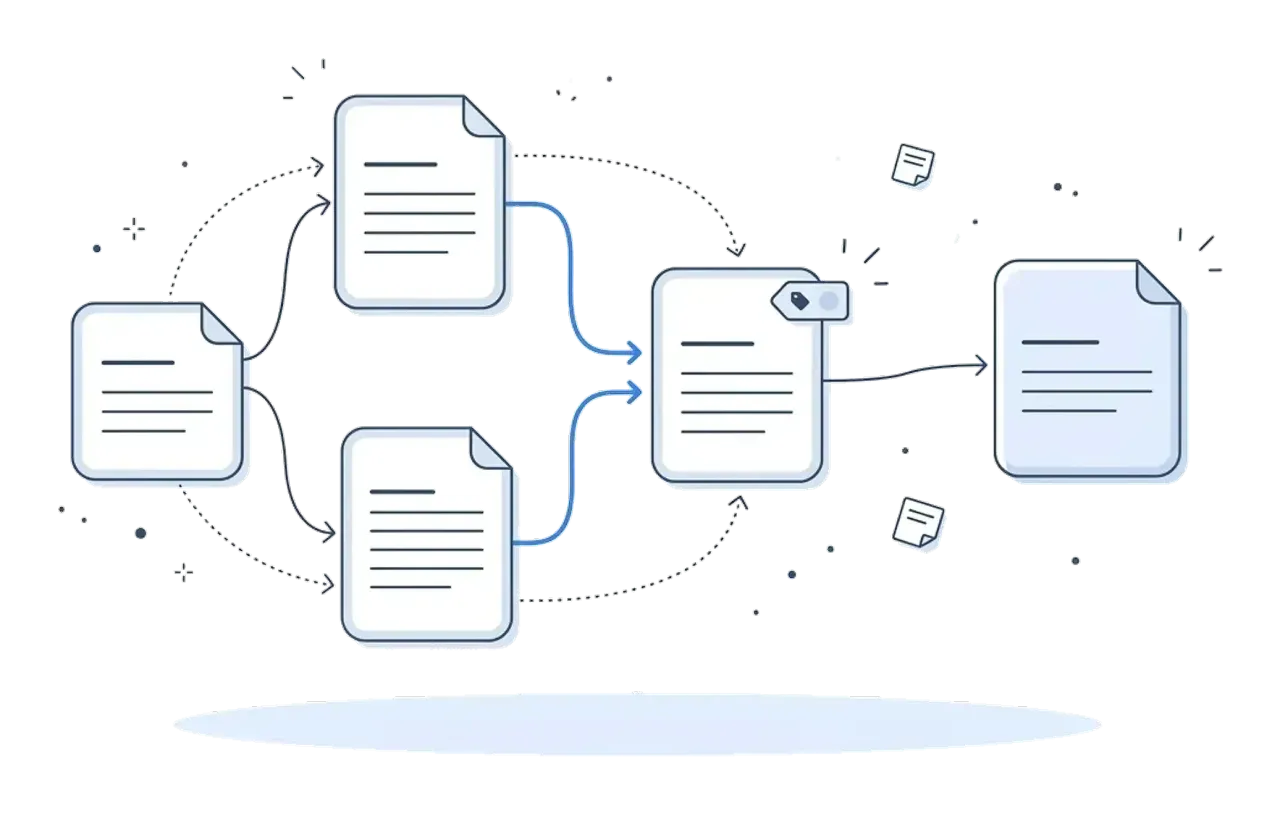
A decision captures its context

ADRs, specs, diagrams, runbooks, and guides come together in one loop. The team preserves the outcome, the reasons, and the constraints
image

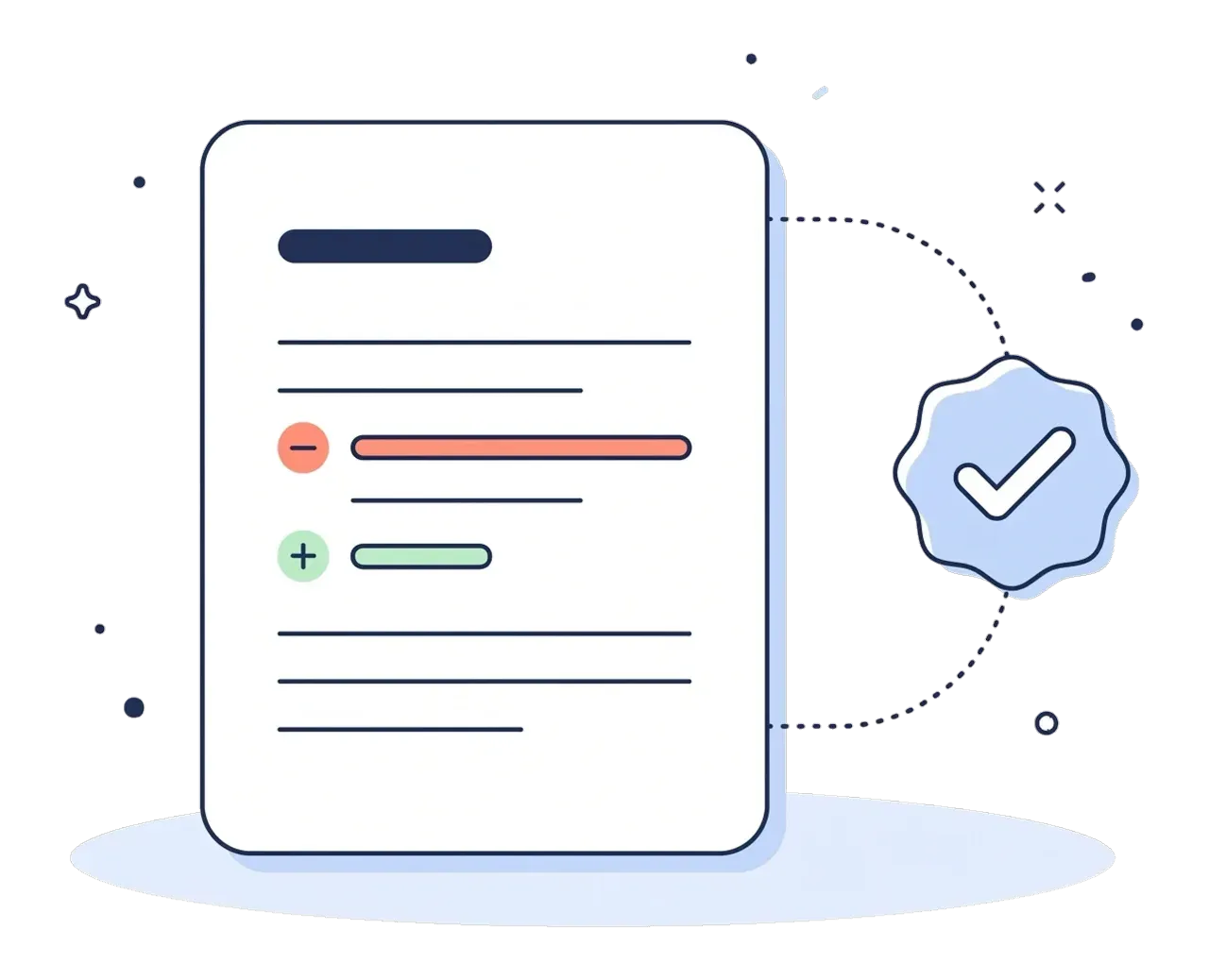
Changes are reviewed before release

Edits are discussed and confirmed before work moves forward. History shows what changed, who approved it, and why the version is current
image

An answer from the source

The question is asked in plain language — about a service, integration, or runbook. The answer comes with links, and the team sees the source behind it
image

Repeat questions are a signal

If the team keeps asking about a service or runbook, the lead sees the problem: the material is outdated, hidden, or written in the wrong language
image
Move engineering knowledge from wikis, local files, and other systems to GramaxMigration guides

One source for every role

Docs live next to the code

Materials stay in Markdown and Git. They can be read and edited from the IDE, reviewed in the usual process, and connected to agents
image

Context doesn't fall apart

Related decisions, diagrams, and runbooks help assess the impact of a change. The team quickly sees what to review together with the service
image

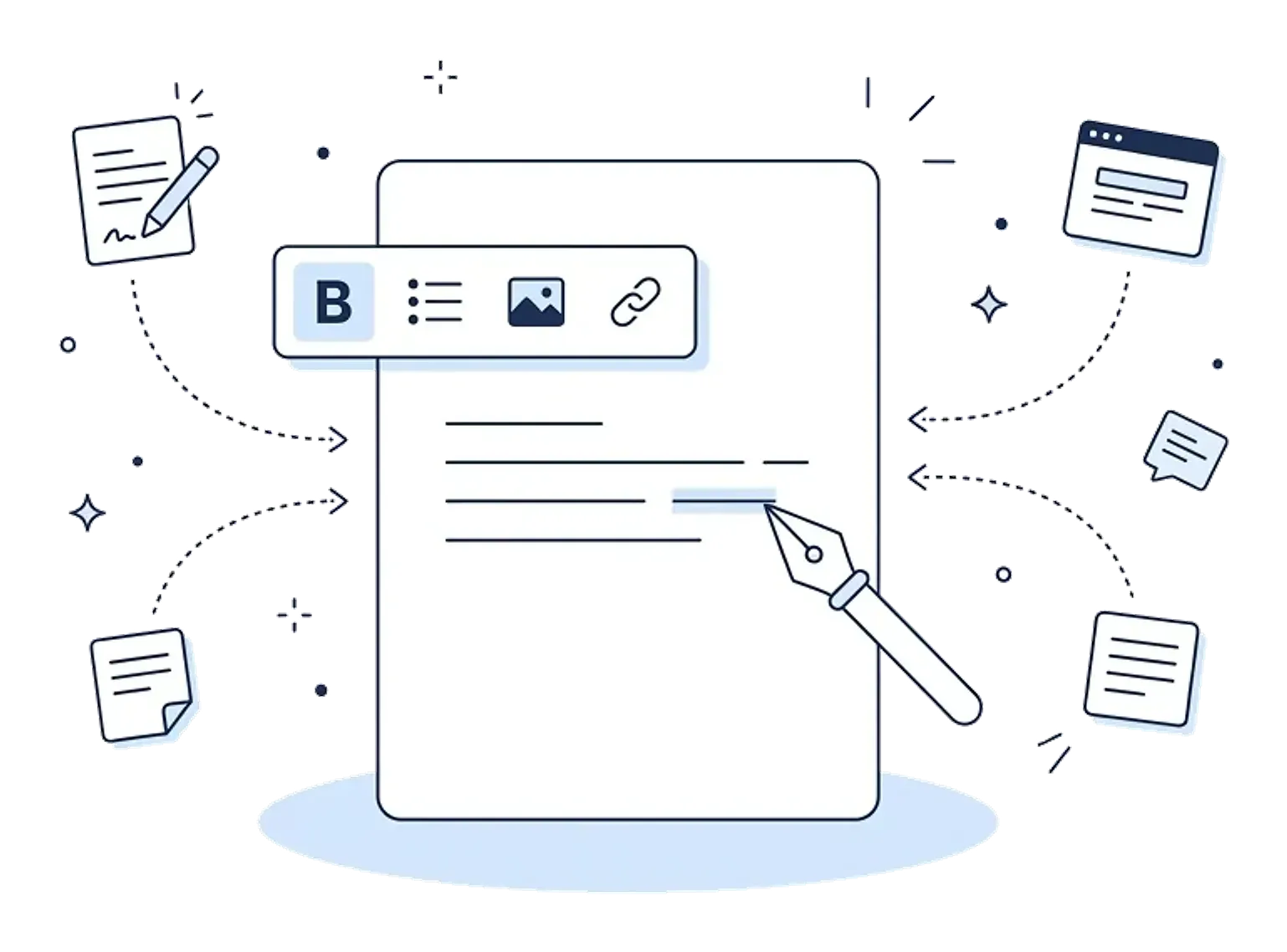
The team works through the editor

Product, analysts, support, and stakeholders read and clarify materials without repository access or Git knowledge
image
Gramax doesn't replace Markdown, Git, the IDE, or local agents. It connects them to an interface for everyone who takes part in development but doesn't live in the repository

Your knowledge belongs to you, not the vendor

Gramax stores engineering documentation in Markdown and Git. ADRs, runbooks, diagrams, and onboarding stay as plain files: they can be read, versioned, and moved without being tied to a platform

Fully on-premise

Engineering documentation lives in your own environment. Data, history, and AI search don't require moving context outside

Git repositories behind a VPN

Connect GitLab, GitHub, Gitea, and other platforms. Materials live where the team stores code and does reviews

Control at scale

Single Sign-On, roles, and access rights separate materials: who can only read, and who can edit

No reader limits

Developers, analysts, support, and managers read context on the portal without licenses or copies in third-party systems

The strengths of a wiki and Markdown in one system

If documentation is only for development, Markdown next to the code is often enough. If analysts, support, managers, and AI agents are involved, you need a layer that connects the engineering source with an interface and quality control
Regular wikiMarkdown next to codeGramax
Easy reading without Git knowledge
Storage in Markdown and Git
Reviewing changes in the Git flow
Web interface for analysts and stakeholders
AI search across materials
One source for the IDE, agents, and the team
Owners, statuses, and freshness control
Signals where the team can't find an answer

Free and Enterprise Versions

Bring engineering context into one knowledge base

Roll out an engineering knowledge base in Gramax so decisions, guides, diagrams, and onboarding work as part of the engineering process — without depending on people
Afghanistan
Aland Islands
Albania
Algeria
AmericanSamoa
Andorra
Angola
Anguilla
Antarctica
Antigua and Barbuda
Argentina
Armenia
Aruba
Australia
Austria
Azerbaijan
Bahamas
Bahrain
Bangladesh
Barbados
Belarus
Belgium
Belize
Benin
Bermuda
Bhutan
Bolivia, Plurinational State of
Bosnia and Herzegovina
Botswana
Brazil
British Indian Ocean Territory
Brunei Darussalam
Bulgaria
Burkina Faso
Burundi
Cambodia
Cameroon
Canada
Cape Verde
Cayman Islands
Central African Republic
Chad
Chile
China
Christmas Island
Cocos (Keeling) Islands
Colombia
Comoros
Congo
Congo, The Democratic Republic of the Congo
Cook Islands
Costa Rica
Cote d'Ivoire
Croatia
Cuba
Cyprus
Czech Republic
Denmark
Djibouti
Dominica
Dominican Republic
Ecuador
Egypt
El Salvador
Equatorial Guinea
Eritrea
Estonia
Ethiopia
Falkland Islands (Malvinas)
Faroe Islands
Fiji
Finland
France
French Guiana
French Polynesia
Gabon
Gambia
Georgia
Germany
Ghana
Gibraltar
Greece
Greenland
Grenada
Guadeloupe
Guam
Guatemala
Guernsey
Guinea
Guinea-Bissau
Guyana
Haiti
Holy See (Vatican City State)
Honduras
Hong Kong
Hungary
Iceland
India
Indonesia
Iran, Islamic Republic of Persian Gulf
Iraq
Ireland
Isle of Man
Israel
Italy
Jamaica
Japan
Jersey
Jordan
Kazakhstan
Kenya
Kiribati
Korea, Democratic People's Republic of Korea
Korea, Republic of South Korea
Kuwait
Kyrgyzstan
Laos
Latvia
Lebanon
Lesotho
Liberia
Libyan Arab Jamahiriya
Liechtenstein
Lithuania
Luxembourg
Macao
Macedonia
Madagascar
Malawi
Malaysia
Maldives
Mali
Malta
Marshall Islands
Martinique
Mauritania
Mauritius
Mayotte
Mexico
Micronesia, Federated States of Micronesia
Moldova
Monaco
Mongolia
Montenegro
Montserrat
Morocco
Mozambique
Myanmar
Namibia
Nauru
Nepal
Netherlands
Netherlands Antilles
New Caledonia
New Zealand
Nicaragua
Niger
Nigeria
Niue
Norfolk Island
Northern Mariana Islands
Norway
Oman
Pakistan
Palau
Palestinian Territory, Occupied
Panama
Papua New Guinea
Paraguay
Peru
Philippines
Pitcairn
Poland
Portugal
Puerto Rico
Qatar
Romania
Russia
Rwanda
Reunion
Saint Barthelemy
Saint Helena, Ascension and Tristan Da Cunha
Saint Kitts and Nevis
Saint Lucia
Saint Martin
Saint Pierre and Miquelon
Saint Vincent and the Grenadines
Samoa
San Marino
Sao Tome and Principe
Saudi Arabia
Senegal
Serbia
Seychelles
Sierra Leone
Singapore
Slovakia
Slovenia
Solomon Islands
Somalia
South Africa
South Sudan
South Georgia and the South Sandwich Islands
Spain
Sri Lanka
Sudan
Suriname
Svalbard and Jan Mayen
Swaziland
Sweden
Switzerland
Syrian Arab Republic
Taiwan
Tajikistan
Tanzania, United Republic of Tanzania
Thailand
Timor-Leste
Togo
Tokelau
Tonga
Trinidad and Tobago
Tunisia
Turkey
Turkmenistan
Turks and Caicos Islands
Tuvalu
Uganda
Ukraine
United Arab Emirates
United Kingdom
United States
Uruguay
Uzbekistan
Vanuatu
Venezuela, Bolivarian Republic of Venezuela
Vietnam
Virgin Islands, British
Virgin Islands, U.S.
Wallis and Futuna
Yemen
Zambia
Zimbabwe
Send
Gramax | Engineering documentation